

The Epilepsy Society's Will Writing Service
Write your Will for FREE today
We are the Epilepsy Society. The UK’s only charity transforming the lives of people with epilepsy through world-leading research, advocacy and care.

Help support everyone affected by epilepsy
What we do
Cutting edge research
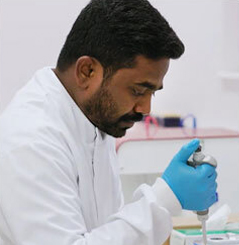
Epilepsy Society is unique in bringing together experts from around the world to form a powerhouse multidisciplinary team who contribute to a wide ranging spectrum of research.

Advocacy
We are a voice for people with epilepsy, striving to push epilepsy up the political agenda and bring about change at government level.

Leading care provider
Our range of care is tailored to the needs of each individual, and our professional staff are committed to maximising the life potential of everyone within our care homes.

Epilepsy support
Our confidential epilepsy helpline and online information provide support to people who are affected by epilepsy.
Our research

Genomics
Read how we are working to understand the genetic architecture of each individual person's epilepsy through our world leading genomics research programme.

Research
The ultimate goals of our current research are to spearhead personalised treatment and to incorporate genomic diagnosis into the NHS for people with epilepsy.
Latest news

Get an alert when your prescription is ready via the NHS app
While many people have been receiving texts from their pharmacy when their prescription is ready to be collected, millions more can now get an alert on their smartwatch or mobile if they use the NHS app. Nearly 2,500 chemists across England, including every ASDA and Boots pharmacy stores are participating.

Epilepsy Society at the political party conferences 2026
The Epilepsy Society has wrapped up a whirlwind month attending five of the major political party conferences, amplifying the voices of people with epilepsy.
Hundreds of delegates, including government ministers, MPs, councillors, and charity representatives, visited our stands to learn more about epilepsy and the daily impact it has on people’s lives.
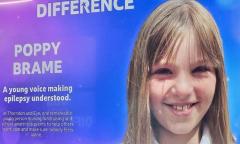
Our superstar – Poppy is named BBC Radio Suffolk Young Hero Award for her fundraising efforts
Congratulations to Poppy, nine years old, who has been recognised for her tireless fundraising and awareness efforts for the Epilepsy Society, by BBC Radio Suffolk. As part of the BBC Make a Difference Awards, Poppy was given the Young Hero Award.

Book your flu jab ahead of winter
NHS England has opened the national flu vaccination booking systems earlier to help protect people before flu peaks in December and January.
Eligible groups, including people aged 65 and over, those with certain health conditions, care home residents and carers, and frontline health and social care workers, will be invited from Thursday 1 October.

Epilepsy Society at Party Conferences 2026 – Email your MP
The Epilepsy Society is attending the major political party conferences this year to push epilepsy up the political agenda. We need your help.

The true impact of medication shortages
In a news report about medication shortages on BBC Midlands this week, Jack Tolley talked about how he had to leave university because he was struggling to get hold of key medication to treat his epilepsy.
Personal stories

Becca's story
Sweet Success! How Becca and the amazing team at Gemini Chocolate raised an incredible £1,000 for the Epilepsy Society.
Eamonn's story
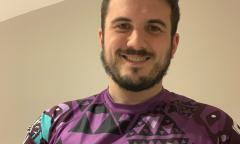
Eamonn is a restaurant and bar manager and he was diagnosed with epilepsy aged 18.

Sunil's story
Flipping the triangle around so epilepsy and medication aren't in charge of me.

Need to talk
about epilepsy?
You can call our helpline on 0300 102 0024,
talk to us via webchat or email us.
Sodium valproate
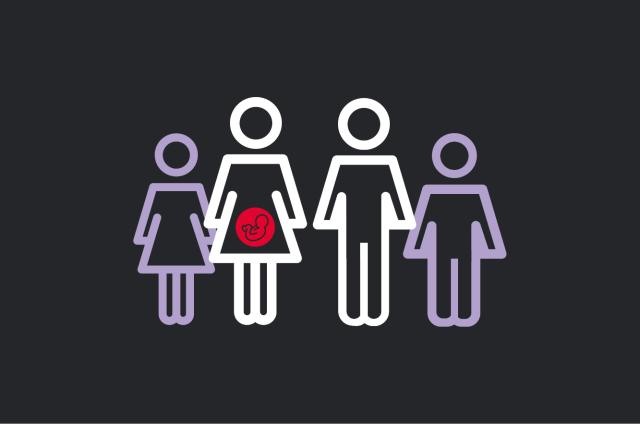
Sodium valproate is an epilepsy medication prescribed for all seizure types including absence, myoclonus and tonic clonic seizures. New regulations have been introduced by the Medicines and Healthcare products Regulatory Agency (MHRA) around the way in which the drug, sodium valproate is prescribed. Find out about the changes and how they might affect you.